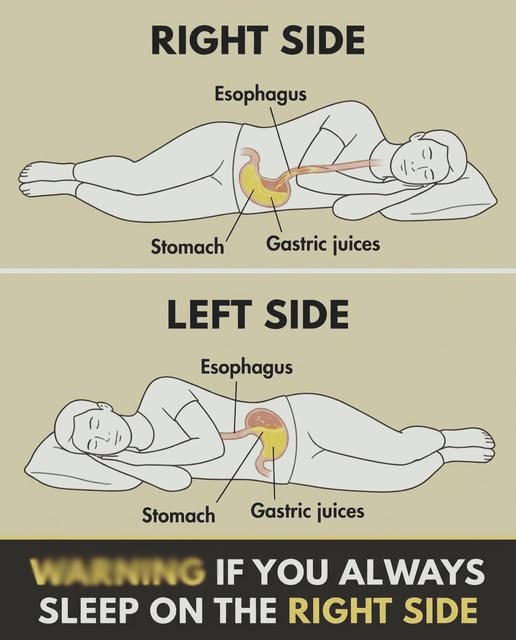

Sleep position can affect comfort, breathing, digestion, and spinal alignment, but there is no single “best” position for everyone. The right posture depends on personal comfort, body structure, and health needs.
Left-side sleeping may support digestion and reduce pressure on the spine when properly supported, though it can sometimes cause shoulder or arm discomfort. Right-side sleeping can feel equally comfortable and beneficial, especially when the spine, neck, and hips stay aligned.
Back sleeping is often linked to better spinal neutrality, but it may increase snoring or breathing issues for some people. Proper pillows and mattress support are important for comfort in any position.
Experts note that sleep quality depends on more than posture alone. Stress, sleep habits, environment, mattress quality, and overall health all play major roles. Since people naturally change positions during the night, the most important factor is waking up feeling rested and pain-free.
Ultimately, good sleep comes from comfort, support, and consistent rest rather than following strict rules about sleeping positions.